

Oral hygiene is an important part of your overall health routine. It doesn’t matter if you have a busy schedule, because there are many ways to keep your teeth and gums healthy.
If you’re like most people, then you probably don’t think about your mouth much. It’s just there, doing its thing. But your mouth is actually a very important part of your body — it’s one of the first things people see when they meet you and one of the last things they think about before they go to sleep at night. If you have bad breath or gum disease, then it can be very difficult to communicate with others or even feel good about yourself. But if you take care of your teeth properly, then you can enjoy a lifetime of healthy smiles!
Here are some tips for keeping your smile healthy:
Brush twice a day with fluoride toothpaste. This will help remove food particles from between your teeth, prevent cavities and gum disease and keep your breath fresh all day long. Fluoride toothpaste is especially important for young children because their teeth are more prone to decay than adults’.
Chew sugar-free gum after meals to stimulate saliva flow. Saliva helps neutralize acids in the mouth and wash away food particles and bacteria that cause plaque buildup.
Use a tongue scraper every day. The tongue is home to millions of bacteria that contribute to bad breath and tooth decay. The bacteria build up on the grooves on the surface of our tongues where food is trapped between teeth or below the gums during brushing and flossing sessions. A tongue scraper removes this debris so it won’t be transferred back into your mouth while you’re eating or drinking again later on in the day or night.
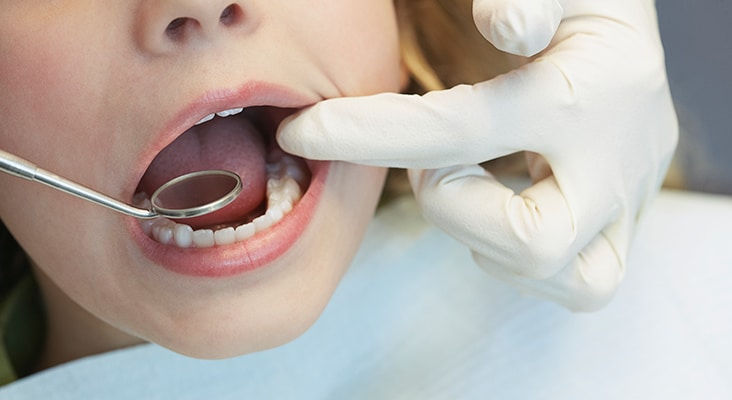
Flossing is much easier if you use a high quality floss that’s sized correctly for your mouth. The floss should be soft enough to glide between your teeth without getting stuck or breaking, but stiff enough to remove plaque effectively. Flossing removes food particles from between your teeth that brushing can’t reach. It’s important because food particles can lead to gum disease if left behind in your mouth for too long without being removed by brushing or flossing. You should floss once per day using a fresh section of floss each time to prevent bacteria growth on the used floss strand
The back teeth are harder to reach than the front ones so get them out of the way before moving on to the molars at the back of your mouth. You may want to start by using a curved threader or dental pick as an aid in reaching those hard-to-reach areas behind your upper front teeth where plaque often hides out. If you have braces or other dental work that makes it difficult for you to use traditional string floss, there are lots of other options available (such as interdental brushes).
You can contact https://hendforddentalpractice.co.uk/ for more information.
