

Biocontainment technology is used to prevent or contain the spread of organisms that cause infectious diseases. It is also known as biosafety technology and biosecurity technology.
There are five levels of biocontainment, with level 3 being the highest level and level 1 being the lowest level. Level 4 is considered BSL-4, which stands for “biosafety level 4.” It is used for work with agents that have no or low capacity to transmit infection, but that could cause harm if they escaped into the environment. Level 3 is used for work with agents that have a high capacity to transmit infection, but would not be expected to cause disease if they escaped into the environment. Level 2 is used for work with agents that have a moderate capacity to transmit infection, but would not be expected to cause severe illness if they escaped into the environment. Level 1 is used for work with agents where there is little potential risk of exposure, but where there is significant potential risk of exposure if procedures are not followed correctly.
Biocontainment technologies are used in many industries, including:
- Medical care and research.
- Food processing and storage.
- Veterinary care and research.
- Environmental protection.
Biocontainment technology is a method of containing hazardous materials within a confined space. The purpose of biocontainment is to prevent or reduce the release of hazardous materials, or to prevent them from having an adverse effect on humans, animals and the environment.
The method has been used for centuries by farmers and beekeepers who keep their livestock indoors to protect them from predators and other hazards. Modern biocontainment systems are designed with the same principle in mind.
Biocontainment units are most commonly found in hospitals and research facilities where they’re used to contain infectious diseases such as tuberculosis (TB) and Ebola virus disease (EVD). Biocontainment units also exist in industrial settings where dangerous chemicals are used, such as oil refineries and chemical plants.
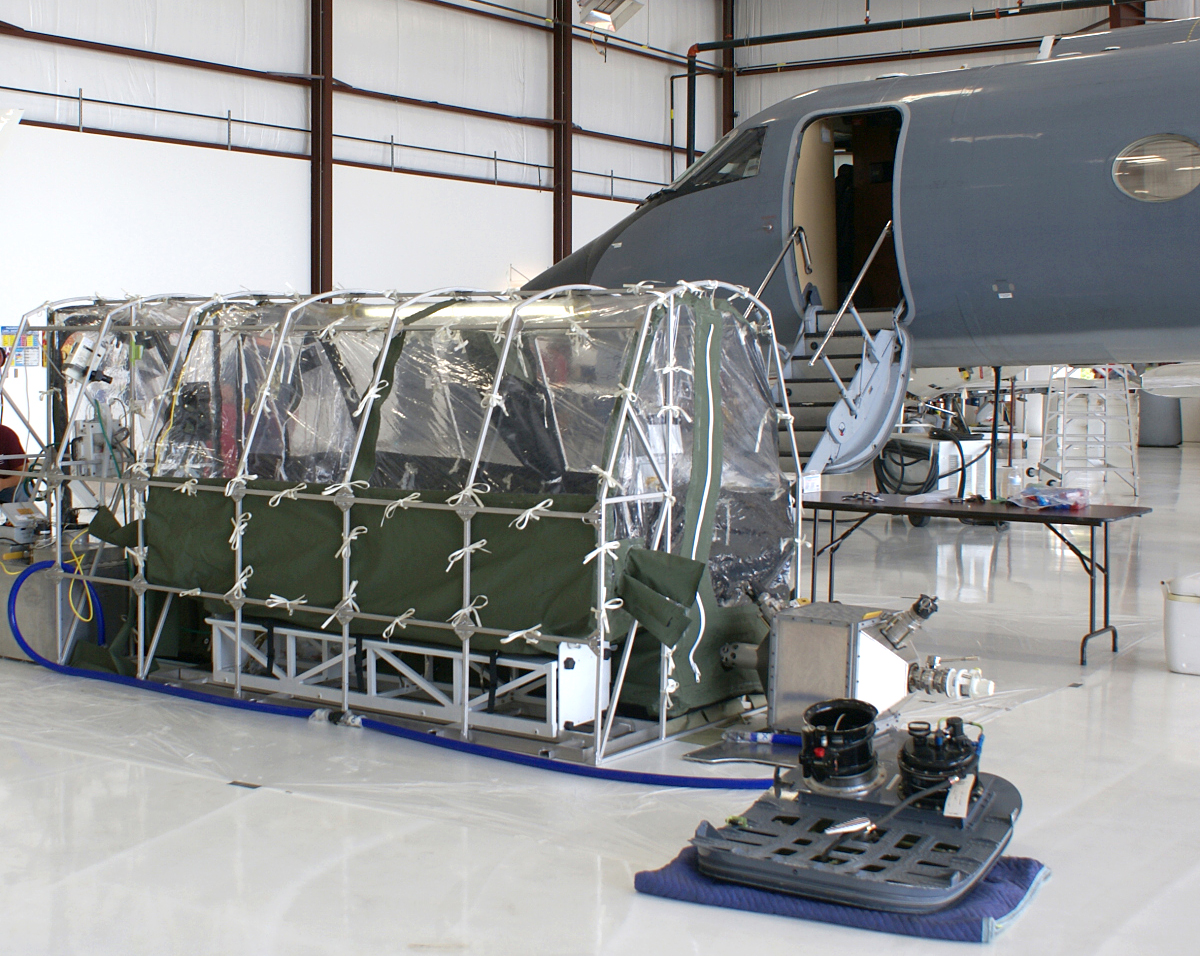
Scientists are able to do this by using a combination of physical barriers, negative pressure rooms, and personal protective equipment.
The type of research done on biocontainment technology depends on the level of containment needed. The most common types of research done in biocontainment labs include:
Risks involved with working with these pathogens mean that there are strict protocols for working with them in a biocontainment lab. These include:
Only one person at a time can enter the lab area where work is being done on sensitive pathogens. The rest of the team stays outside until everyone exits again. This ensures that no mistakes can be made by multiple people going in and out at once.
All equipment used must be disposable, meaning it must be disposed of after use so no one can accidentally take contaminated items home with them or bring them back into an unsecure zone in their lab building.
The air inside must be filtered before it leaves the area so it doesn’t carry any viruses or bacteria out into shared areas like hallways or parking lots when someone leaves work at the end of their shift. To know more information on Merit healthcare facilities, contact us.
