

Botox is one of the most recognized names in cosmetic treatments. For over 20 years, Botox has been used millions of times to help improve the aesthetics of men and women all over the U.S. and the world. As a neuromodulator, Botox Cosmetic works by relaxing muscle contractions to change the appearance of the skin and face. While it is very popular and considered a safe treatment, some individuals may wonder if Botox can cause damage or health problems over time. Here is what you need to know about the safety and effects of Botox.
Table of Contents
Understanding How Botox Works
Most people know that Botox is used for wrinkle treatment. What you may not know is how this product works. The main ingredient in Botox is botulinum toxin A, a neurotoxin that has been studied for its effects for close to a century. This toxin is a neuromodulator, which means it can interrupt nerve signals. The neurotoxin is created by the Clostridium bacteria, the same bacteria responsible for botulism. However, in tiny doses, the botulinum toxin can be used safely for both medical and cosmetic treatments.
When Botox is injected into muscles, it works by stopping muscle contractions. The neurotransmitter acetylcholine in the nerves that serve the muscle is released to bind to the cells in the muscle to cause it to contract. Botox blocks acetylcholine to prevent it from binding with the muscle cells, effectively stopping contractions and paralyzing the muscle temporarily. Over time, usually 3-6 months, the neurotoxin dissipates, and the muscle can contract and move normally again.
Botox was originally FDA approved to control muscle spasms, specifically eye spasms. The neurotoxin effect of stopping muscle contraction was effective at eliminating these spasms of the small eye muscles. A side effect that was noticed from Botox medical treatment for eye spasms was that the small muscles that caused the brow lines were relaxed. The vertical lines between the eyebrows (glabella lines, frown lines or 11s) and horizontal forehead lines (worry lines) disappeared. This discovery began the off-label use of Botox for wrinkle treatment and eventually, the introduction of Botox Cosmetic.
Botox Cosmetic Treatments
Botox was FDA approved for frown line and wrinkle treatment in 2002 and since then, it has become the most popular cosmetic injection treatment in the U.S. Millions of doses are administered every year to men and women of all ages. While Botox started as just a wrinkle treatment for older adults, it has expanded to many other cosmetic procedures. Frown lines, worry lines, crow’s feet, bunny lines and other wrinkles can still be treated with Botox, but that is far from its only cosmetic use.
Since Botox stops muscles from contracting, it can help reduce the size and prominence of certain face and neck muscles. The masseter muscles are a prime example. The large jaw muscles that create the contours of the outer jawline can become larger over time. This widens the jawline, which creates a square jaw which is considered a more masculine appearance. For those that want to slim their face or feminize their jawline, Botox can be used to relax the masseter muscles. Over a few months, the jaw muscles can shrink, resulting in a slimmer or more feminine jaw.
Preventive Botox Treatments
There have been changes in how Botox is used, even for wrinkle treatment. Many younger patients are seeking Botox injections to prevent the lines around the eyes or on the forehead from appearing. Mini Botox injections are used by patients in their 20s and 30s to maintain a youthful appearance versus waiting to treat lines as they appear.
With so many people using Botox Cosmetic for many different procedures, it is natural to wonder whether it is safe for long-term use. If you use Botox for years, can it cause damage to your nerves or muscles? There are some effects that can be lasting from Botox, including changes to how your body responds to the treatments.
Side Effects of Botox Treatments
Since Botox treatments for cosmetic use have only been FDA approved for 20 years, studies on long-term effects or possible damage are very limited. However, the number of adverse reactions is very few and any serious complication from the treatment is very rare. Most of the long-term “damage” to tissues from Botox may actually be considered welcomed benefits by those looking to stay youthful longer.
Muscle Atrophy
One of the main effects of Botox is limiting or stopping muscle contractions. This is how Botox smooths dynamic wrinkles and lines, and also how it reduces the appearance of neck cords or shrinks masseter muscles. When muscles are not used, they do weaken, but this is not necessarily a bad thing when discussing small, facial muscles.
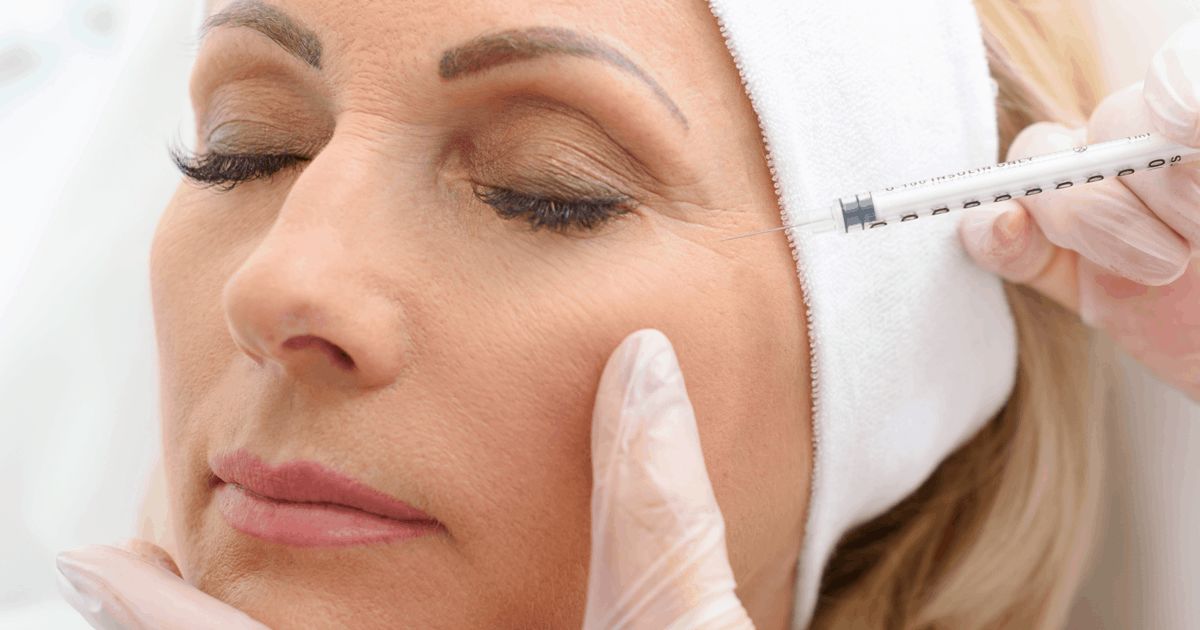
As the muscles weaken, those dynamic lines will appear less, even as the Botox wears off. The neck cords soften for a more youthful neck and masseter muscles shrink to create a more heart-shaped face. These long-term effects are welcomed by many people who use Botox to change the appearance of their skin and facial shape. It can also reduce how often patients need to receive additional Botox injections, saving you time and money in the long run.
Muscle Adaptation
The body is incredible in its ability to adapt. When you use Botox treatments, the muscles learn to adapt to the toxin. For some, this can mean the effects become harder to achieve – this can be remedied by trying a different neuromodulator like Dysport or Jeuveau. For many others, this means the muscles contract less, even when the Botox wears off. Years of using Botox can help train your facial muscles to contract less, creating fewer creases in the skin and slowing the appearance of dynamic wrinkles.
Rare Side Effects
There are some documented cases of skin discolorations or texture changes from using Botox. These are usually temporary and very few cases out of the millions of treatments have been reported. Since Botox is a neurotoxin, it is possible to have other rare side effects. Our staff at Arcadia Wellness Center can discuss any possible negative side effects that can occur.
Is Botox Safe?
The long and short of it is that Botox is FDA approved for dozens of treatments, both cosmetic and medical, and it is considered a safe and effective treatment. It is the most used medical cosmetic treatment in the U.S. and many people have received Botox injections for several years or longer. There is no evidence of serious damage from the use of Botox over time – the muscle atrophy or adaption are considered positive results versus negative side effects.
Any medical treatment for cosmetic purposes may have some possible side effects. Our team at AWC wants every patient to be well-educated on our procedures and what to expect. Botox injections are one of the most popular treatments we offer and when performed by an experienced injector, the likelihood of negative side effects is very low.
To learn more about Botox injections and whether they are right for you, come see us at Arcadia Wellness Center. We offer Botox, dermal fillers, laser treatments, body contouring, wellness services, HRT and more at our beautiful facility in Phoenix. Call our clinic today to schedule a Botox consultation to discuss the benefits and safety of our most requested cosmetic treatment.
